
Introduction
Color Choices in Branding are one of the most important elements that influence customer perception and brand identity.
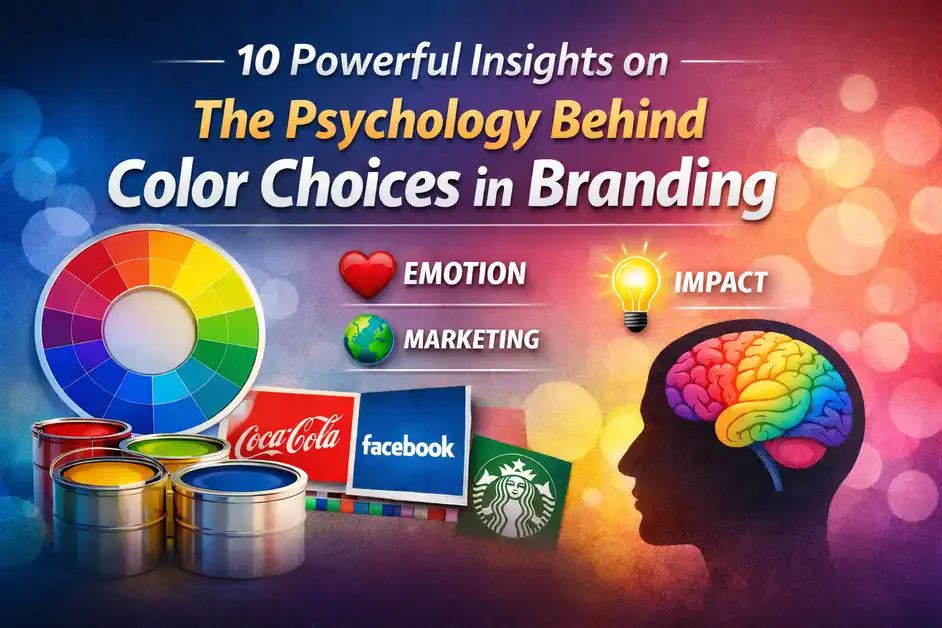
Colors are more than just visual elements—they are powerful tools that influence human perception, emotions, and decision-making. In branding, color choices play a critical role in shaping customer experiences, building trust, and differentiating brands. According to research, up to 90% of snap judgments about products can be based on color alone. Therefore, understanding the psychology behind color choices is essential for marketers, designers, and business owners.
This article dives deep into color psychology in branding, exploring how different colors affect emotions, influence purchasing behavior, and help craft a compelling brand identity. By the end, you’ll have actionable insights to apply to your brand strategy.
Table of Contents
1. Why Color Matters in Branding
Color is one of the first elements consumers notice about a brand. It affects:
- Brand Recognition: Brands using consistent color schemes can increase recognition by up to 80%.
- Emotional Connection: Colors evoke emotions—blue inspires trust, red generates excitement, and green signals growth and sustainability.
- Behavioral Influence: Colors can guide user behavior, such as encouraging purchases, clicks, or sign-ups.
A well-chosen color palette aligns with a brand’s values, target audience, and positioning.
External Reference: Learn about color psychology on Psychology Today2. The Science of Color Psychology
Color psychology studies how colors influence perception and behavior. Key principles include:
- Hue: The type of color (red, blue, green).
- Saturation: Intensity or purity of the color.
- Brightness/Lightness: Perceived lightness or darkness of a color.
Different colors stimulate different parts of the brain. For example:
- Red: Increases heart rate, urgency, and excitement.
- Blue: Calms the mind, builds trust, and conveys professionalism.
- Yellow: Captures attention and conveys optimism.
Research Insight: A study by the University of Loyola found that people make subconscious judgments about products within 90 seconds, and 62–90% of that judgment is based on color alone.
3. Primary Colors and Their Brand Meanings
Primary colors—red, blue, and yellow—are the foundation of all other colors and carry strong psychological impacts.
Red
- Emotions: Energy, passion, urgency
- Best for: Food brands, sales promotions, entertainment
- Examples: Coca-Cola, YouTube, Netflix
Blue
- Emotions: Trust, security, calmness
- Best for: Technology, finance, healthcare
- Examples: Facebook, IBM, PayPal
Yellow
- Emotions: Optimism, friendliness, attention
- Best for: Retail, kids’ products, brands that want to stand out
- Examples: McDonald’s, IKEA, Snapchat
4. Secondary and Tertiary Colors in Branding
Secondary colors—green, orange, purple—and tertiary colors add nuance and sophistication.
Green
- Emotions: Growth, health, stability
- Best for: Eco-friendly brands, wellness, finance
- Examples: Starbucks, Whole Foods
Orange
- Emotions: Creativity, enthusiasm, friendliness
- Best for: Call-to-action buttons, energetic brands
- Examples: Fanta, Nickelodeon
Purple
- Emotions: Luxury, wisdom, imagination
- Best for: Beauty, premium products, creative industries
- Examples: Cadbury, Hallmark
Tip: Combine colors strategically. Use complementary colors for balance, contrast, and readability.
5. Cultural Differences in Color Perception
Color meanings vary across cultures. For instance:
| Color | Western Meaning | Eastern Meaning | Notes |
|---|---|---|---|
| Red | Love, urgency | Luck, prosperity | Great for celebrations in Asia |
| White | Purity, simplicity | Mourning | Avoid for Western weddings |
| Black | Luxury, sophistication | Evil, negativity | Use carefully |
Brands targeting global audiences must consider these differences to avoid miscommunication.
External Reference: Creative Bloq – Color in Branding
6. Case Studies: Successful Use of Colors in Branding
Coca-Cola – Red for Energy and Excitement
Red stimulates appetite and energy, perfectly aligning with Coca-Cola’s positioning as a fun, refreshing beverage.
Facebook – Blue for Trust
Blue conveys reliability and calmness, critical for a social media platform handling personal data.
Starbucks – Green for Growth and Wellness
Green aligns with Starbucks’ emphasis on ethical sourcing and sustainability.
7. Practical Tips for Choosing Brand Colors
- Define Your Brand Personality: Align colors with brand values and target audience.
- Limit Your Palette: Use 2–4 main colors for consistency.
- Test Across Mediums: Ensure colors work online, in print, and on merchandise.
- Consider Accessibility: Use high contrast for readability and inclusivity.
- Use Tools: Adobe Color, Coolors, Canva Color Palette Generator.
8. Common Mistakes in Color Branding
- Overusing colors, leading to visual clutter
- Ignoring cultural connotations
- Choosing trendy colors without brand alignment
- Poor contrast affecting readability
Tip: Stick to colors that reflect your brand essence and audience expectations.
9. Tools to Help Pick the Right Colors
- Adobe Color: Create harmonious palettes
- Canva Palette Generator: Generate palettes from images
- Coolors: Explore trending color schemes
- Color Safe: Test accessibility contrast
10. Conclusion
Color is a strategic branding tool. When chosen wisely, it can:
- Enhance brand recognition
- Evoke desired emotions
- Influence customer behavior
- Strengthen your visual identity
By understanding the psychology of colors and applying these principles, brands can build a stronger connection with their audience and stand out in a crowded marketplace.
Need help selecting the perfect brand colors? Contact Crown Creatives for expert branding solutions.
11. FAQs
Q1: How many colors should a brand use?
A: Typically, 2–4 main colors ensure consistency while allowing flexibility.
Q2: Can color choice affect sales?
A: Yes, colors influence emotions and decisions, impacting conversions and customer loyalty.
Q3: How do cultural differences affect branding?
A: Colors can have different meanings in different cultures, so global brands must research audience perceptions carefully.
Q4: What tools can help me choose colors for my brand?
A: Adobe Color, Canva Palette Generator, Coolors, and Color Safe are popular tools for designing accessible and appealing palettes.


